Notes on creator gifting
Playbooks, breakdowns, and lessons from running gifting on our own store and helping other brands run theirs.
We Sent 2,120 Cold Emails to Shopify Brands. 1.56% Replied. Here Is Every Number.
1.56% of 2,120 cold emails to Shopify brand founders got a reply, 87.9% of those replies came from the first email, and a warm list replied at 20%, about 25x the cold rate. Every number with its n.
What 56 Merchants Actually Want From an Influencer Gifting App (I Read Every Review)
I coded 56 public App Store reviews of a gifting app with a fixed codebook. 36 of 56 praise support responsiveness, 23 of 56 mention saving time on manual orders, and only 1 of 56 states a concrete number. Coded data included.
Sample Article Title for Testing
A sample article for testing webhook integration with Outrank
Afluencer Alternatives for Shopify Brands in 2026 (Real Prices, Honestly Ranked)
Afluencer's Shopify-listed entry point is the VIP Plan at $49/mo, which includes 180 monthly influencer invites, premium filters, priority support, and a 60-day free trial, per

Aspire Alternatives for Shopify Brands in 2026 (Real Prices, Honestly Ranked)
Aspire costs roughly $2,499 per user, per month, per Capterra (capterra.com/p/187445/AspireIQ), verified 2026-08-19.

Aspire vs GRIN: Why One Publishes Pricing and the Other Doesn't
GRIN wins for almost every brand below true enterprise scale, and the reason is simple: you can see the price. GRIN runs $0 to $1,500/mo, month-to-month, no sales call required.

Aspire vs Upfluence: Two Different Ways to Hide a Price
Upfluence edges this one out, but barely, and you should know going in that neither company will tell you the price without a sales call. Budget five figures a year for either.

Bazaarvoice Alternatives for Shopify Brands in 2026 (Real Prices, Honestly Ranked)
Bazaarvoice doesn't publish pricing anywhere on its own site. The only real number I found comes from Stack Influence's own pricing-comparison table: a $500 flat fee plus platform fees, landing

Best Free Influencer Marketing Tools for Shopify Brands in 2026
"Free" in this category almost always means free to install, not free to use. Stack Influence is the most honestly free ongoing option: $0/mo, you only pay ~$30 when a post actually happens, no

Best Influencer Gifting Apps for Shopify in 2026 (Real Prices, Honestly Ranked)
If you send more than a handful of gifts a month, Seed is the app to install: real $0 draft orders, unlimited gifts on Scale for $49/mo or $499/yr, no discount codes.

The Only Influencer Gifting Apps That Actually Publish Their Prices (2026)
Ten Shopify-native gifting apps in this category publish a real price without a sales call: Seed, GiftForm, Simplif, InstaGift, Seeding Ops, Influencer Gift Form, Shopify Collabs, Social Cat,
9 Best Influencer Gifting Platforms in 2026, Ranked by Real Price
Modash runs a "9 Best Influencer Gifting Platforms" listicle of its own. We checked it on 2026-08-19: Seed isn't on it. So here's our own version, with Seed included and every price cross-checked.

Best Influencer Marketing Platform for Small Brands in 2026
If you're sending 5-50 gifts a month, Seed's Starter ($19/mo, 50 orders) or Scale Gifts ($49/mo, unlimited) costs a fraction of what any enterprise platform on this list charges, and it's the one

Best Influencer Marketplaces for Small Brands in 2026
If you want creators to apply to work with you, that's a marketplace, and Seed isn't one. Collabstr and Afluencer are the real marketplaces here, creators browse and apply to your listing.

Best Shopify Apps for Influencer Marketing in 2026
Search this exact query and you'll find influencer-hero.com ranking, then find the same article again on creator-hero.com, syndicated word for word, per our crawl on 2026-08-19.

Shopify Collabs Isn't Accepting New Creators: Here's What to Use Instead in 2026
Shopify's own Help Center confirms it: Collabs is not accepting new creator signups as of 2026-08-19.
Cevoid Alternatives for Shopify Brands in 2026 (Real Prices, Honestly Ranked)
Cevoid prices by module: the UGC module is $299/mo, and the Loyalty module starts at $299/mo for up to 25,000 members but scales with your list — $499/mo at 50,000, $799/mo at 100,000, $999/mo at

Cevoid Pricing (2026): What It Actually Costs
Cevoid prices by module: UGC $299/mo, Loyalty $299/mo (up to 25,000 members, plus $200/mo for extended features), Reviews listed "coming soon" as of 2026-08-19 even though it sits in Cevoid's main

Cheapest Influencer Marketing Software in 2026 (Every Real Price, Compared)
If price is the only filter, InstaGift is the answer: $1.99/mo to start, $9.99/mo for unlimited orders, the lowest published number in the category, verified 2026-08-19.

The Cheapest Way to Gift Products to Influencers in 2026 (With Real Numbers)
InstaGift is the cheapest way to gift product at almost any volume: $1.99/mo to start, $9.99/mo for unlimited orders, verified 2026-08-19.

Collabstr Alternatives for Shopify Brands in 2026 (Real Prices, Honestly Ranked)
Collabstr's Free plan costs $0/mo but takes a 10% hiring fee on every creator you book through it. Pro is $249/mo and still takes 10%.

Collabstr vs Aspire: Real Pricing Against a Platform That Discloses None
Collabstr wins decisively on the same transparency logic that runs through this whole category: it publishes real prices starting at $0/mo, and Aspire publishes none anywhere.

Collabstr vs CreatorIQ: What CreatorIQ's Pricing Page Actually Shows You
Collabstr wins decisively for any brand below true enterprise scale, because it publishes real prices starting at $0/mo and CreatorIQ publishes none anywhere.

Collabstr vs GRIN: Real Pricing, and the Number Collabstr's Own Comparison Leaves Out
Collabstr wins for a brand that wants a pure marketplace: search creators, hire directly, pay a transaction fee, and never touch a piece of software beyond that.

Collabstr vs Heepsy: Pricing, Fit, and Which One Actually Saves You Money
Collabstr wins decisively for a brand that wants to hire creators directly without committing to a fixed monthly bill.
Collabstr vs Later Influence: One Publishes Its Price, One Doesn't
Collabstr wins on the only thing you can actually verify today: a real, published price. Free costs $0/mo with a 10% hiring fee, Pro is $249/mo, Premium is $333/mo with a 5% fee.

Why Premium Creators Abandon Third-Party Gift Forms
A creator with a real following gets phishing attempts constantly, so a DM link that redirects to a domain they don't recognize reads as risk, not as a gift.

CreatorIQ Alternatives for Shopify Brands in 2026 (Real Prices, Honestly Ranked)
CreatorIQ costs roughly $36,000 per user, per year, per Capterra (capterra.com/p/169151/CreatorIQ/), verified 2026-08-19. That number does not come from CreatorIQ.
Flockler Alternatives for Shopify Brands in 2026 (Real Prices, Honestly Ranked)
Flockler prices in four tiers: Basic at $129/mo for 8 feeds, Business at $229/mo for 15 feeds with AI moderation, Pro at $379/mo for 30 feeds with custom forms, and a custom Premium tier above that,
Flockler Pricing (2026): What It Actually Costs
Flockler's ladder is Basic $129/mo (8 feeds), Business $229/mo (15 feeds, marked "Popular," AI moderation and AI alt-text), Pro $379/mo (30 feeds, custom forms, video autoplay), and Premium at a

GiftForm Alternatives for Shopify Brands in 2026 (Real Prices, Honestly Ranked)
GiftForm costs $0/mo for up to 5 gift orders, or $29/mo unlimited, confirmed on both apps.shopify.com/giftform and giftform.app, verified 2026-08-19. Both agree exactly, no fine print, no gated tier.

How 100%-Off Creator Codes Get Scraped Within Hours (And Drain Your Inventory)
A 100%-off Shopify discount code that runs through your storefront checkout gets scraped within hours.

GRIN Alternatives for Shopify Brands in 2026 (Real Prices, Honestly Ranked)
GRIN's own pricing page lists Free $0/mo (200 credits), Starter $200/mo (2,000 credits), Growth $500/mo (7,500 credits, up to 100 active creators), Scale $1,000/mo (20,000 credits, up to 250

GRIN Pricing (2026): What It Actually Costs
GRIN's own pricing page carries the H1 "Start free. Scale when Gia does more." It's a five-tier, usage-based ladder: Free $0/mo (200 credits), Starter $200/mo (2,000 credits), Growth $500/mo (7,500

GRIN vs CreatorIQ: Four Pricing Pages, One Gated Modal
GRIN wins on the one thing you can check yourself before talking to anyone: an actual price. $0 to $1,500/mo, month-to-month, no sales call. CreatorIQ has no comparable number anywhere.

GRIN vs Later Influence: Published Pricing vs Fully Gated 'Request Pricing'
GRIN wins decisively here, for one clear reason: it tells you what it costs, and Later Influence doesn't tell you anything. GRIN runs $0 to $1,500 a month, month-to-month, no sales call required.

GRIN vs Modash: Pricing, Gifting Fit, and Which One a DTC Brand Actually Needs
GRIN wins for a DTC brand running an actual gifting or seeding program. It starts at $0, scales month-to-month with no sales call, and it's built around the workflow of managing creator relationships

GRIN vs Upfluence: One Publishes a Price, One Wants Twelve Months
GRIN wins for almost every DTC brand below real enterprise scale. It publishes a price, $0 to $1,500 a month, month to month, no sales call required.

Heepsy Alternatives for Shopify Brands in 2026 (Real Prices, Honestly Ranked)
Heepsy's own dedicated pricing page (heepsy.com/pricing) 404s, so there's no single vendor-confirmed number to check.

Heepsy vs Later Influence: An Honest Look at Two Vendors That Don't Make This Easy
This is a weaker pairing on pure price certainty than most comparisons in this category, and that's worth saying plainly rather than glossing over.

Influencer Gift Form Alternatives for Shopify Brands in 2026 (Real Prices, Honestly Ranked)
Influencer Gift Form costs $0/mo for 5 orders on one form, $68/mo for 100 orders with CRM and re-gifting, and $380/mo for unlimited orders with custom features.

The 5-Order Mistake That Costs You $312 a Month
A gifting program that starts working gets punished for it. Influencer Gift Form's Growth tier caps at 100 orders for $68/mo (verified 2026-08-19).

Influencer Gift Form Pricing (2026): What It Actually Costs
Influencer Gift Form runs three tiers: Free at $0/mo (5 orders/mo, 1 form version, full support), Growth at $68/mo (100 orders/mo, influencer CRM, recurring and re-gifting), and Business at $380/mo

Influencer Hero Alternatives for Shopify Brands in 2026 (Real Prices, Honestly Ranked)
Influencer Hero costs $649/mo on its Standard plan, $1,049/mo on Pro, and $2,490/mo on Business, and every one of those tiers locks you into a 3-month minimum commitment with no free trial (verified

Influencer Hero Pricing (2026): What It Actually Costs
Influencer Hero runs three published tiers: Standard at $649/mo, Pro at $1,049/mo, and Business at $2,490/mo, plus a Custom Agency tier priced on request.

Influencity Alternatives for Shopify Brands in 2026 (Real Prices, Honestly Ranked)
Influencity sells three modules, Reports Pro, My Influencer Pro, and Discover Pro, at $98/mo each, with a 15% bundle discount if you buy all three together.
Insense Alternatives for Shopify Brands in 2026 (Real Prices, Honestly Ranked)
Insense runs $650/mo for a one-month trial, then $500/mo quarterly or $400/mo annual for the Brand plan, $800/mo quarterly or $640/mo annual for Agency, and every plan stacks a marketplace fee on top

Insense Pricing (2026): What It Actually Costs
Insense runs Trial at $650/mo (one month only, 20% marketplace fee, auto-upgrades to Brand), Brand at $500/mo quarterly or $400/mo billed annually (10% fee, unlimited campaigns and creators, 2

Insense vs Aspire: Stacked Marketplace Fees vs Fully Gated Pricing
Insense wins here, and the reason is almost entirely about information, not features.

Insense vs GRIN: Insense's Own 'Boxing Match' Post, Fact-Checked
GRIN wins this one, and not by a little. It publishes a real price, $0 to $1,500 a month, no sales call needed.

InstaGift Alternatives for Shopify Brands in 2026 (Real Prices, Honestly Ranked)
InstaGift runs three tiers, priced by monthly order volume: Starter at $1.99/mo for 20 orders, Growth at $4.99/mo for 100 orders with custom branding, and Enterprise at $9.99/mo for unlimited orders

JoinBrands Alternatives for Shopify Brands in 2026 (Real Prices, Honestly Ranked)
JoinBrands publishes its own pricing directly: Free with a 15% platform fee, Start-up at $99/mo with a 12% fee, Pro at $299/mo with a 10% fee, and Max at $499/mo with an 8% fee, confirmed on

Klear Alternatives for Shopify Brands in 2026 (Real Prices, Honestly Ranked)
Klear, now rebranded as Meltwater Influencer Marketing after the brand folded into Meltwater in April 2024 but still commonly searched under its old name, is fully gated.

Klear Pricing (2026): What It Actually Costs
Klear does not publish pricing. Capterra's own listing states "Contact vendor," explicitly, no number.

LTK Alternatives for Shopify Brands in 2026 (Real Prices, Honestly Ranked)
LTK Connect has a real self-serve pricing page most people assume doesn't exist. Launch runs $99/mo for 10 creators/mo and 1 brand seat, with no spend-cap figure disclosed on the live pricing table

LTK vs ShopMy: A Brand's Perspective
LTK has a real self-serve price. Launch is $99/mo, Pro is $999/mo, verified directly off LTK's own site on 2026-08-19. ShopMy has no brand subscription fee at all.

Modash Alternatives for Shopify Brands in 2026 (Real Prices, Honestly Ranked)
Modash runs Essentials at $199/mo, Performance at $499/mo, and Enterprise from $14,700/yr, all capped on how many creator profiles you can open, how many emails you can reveal, and how many creators

Modash vs Heepsy: A Weaker-Sourced Pairing, Stated Honestly
I want to flag something before the verdict: this is one of the weaker-sourced pairings in this whole project. Modash publishes its pricing on its own site, so that number is solid.

Modash vs Shopify Collabs: Real Pricing, and the Signup Freeze Modash's Own Page Leaves Out
Modash wins decisively for any brand that needs to find and vet creators, because Shopify Collabs does not do discovery at all.

Modash vs Upfluence: Usage-Capped SaaS vs Gated Modular Pricing
Modash wins for a self-serve buyer who wants to see the price before talking to anyone. You can sign up, see the tier, and know your monthly cost the same day.

Seed vs Afluencer: An Honest Comparison (2026)
Afluencer is a creator marketplace with a real Shopify App Store listing, 4.7 stars from 34 reviews as of this writing, that connects brands with creators for both paid and gifted collaborations,

Seed vs Cevoid: An Honest Comparison (2026)
Cevoid is a UGC collection and display platform: it pulls customer and creator content into on-site galleries and runs a loyalty program, priced at $299 a month per module.

Seed vs Collabstr: An Honest Comparison (2026)
Collabstr is a marketplace where creators list their rates and brands search, browse, and pay for paid content deliverables, with a 10% or 5% hiring fee stacked on top of the subscription.

Seed vs Flockler: An Honest Comparison (2026)
Flockler embeds social feeds and UGC walls on your website, priced by the number of feeds you run, from $129 to $379 a month. Seed ships free product to creators through a real Shopify draft order.

Seed vs GRIN: An Honest Comparison (2026)
GRIN is a full influencer relationship management platform: CRM, affiliate tracking, product seeding, creator payments, and reporting, built for brands running hundreds of creator relationships at
Seed vs Heepsy: An Honest Comparison (2026)
Heepsy is a creator search engine for finding and vetting influencers by niche, audience location, and engagement rate. Seed is a gifting form for creators you've already found.
Seed vs Influencer Gift Form: An Honest Comparison (2026)
Influencer Gift Form is the closest thing to Seed on the market: one branded link, a creator picks a product and variant, a $0 order lands in Shopify.

Seed vs Influencer Hero: An Honest Comparison (2026)
Influencer Hero is a full influencer marketing platform: discovery, outreach, gifting, payments, reporting, all in one suite, starting at $649/month with a 3-month commitment.

Seed vs Influencity: An Honest Comparison (2026)
Influencity is an influencer marketing platform priced at $98/mo per module, Discover Pro, My Influencer Pro, and Reports Pro, published directly on its own knowledge base rather than gated behind a

Seed vs Insense: An Honest Comparison (2026)
Insense is a creator marketplace built for sourcing paid UGC content and whitelisting rights for Spark ads, priced at $400 to $800 a month plus a marketplace fee that's tiered by plan, 20% on Trial,

Seed vs Modash: An Honest Comparison (2026)
Modash is a creator search engine first: 380 million-plus profiles by its own claim, audience demographics, fake-follower detection, and revealed contact info.

Seed vs Shopify Collabs: An Honest Comparison (2026)
Shopify Collabs is free, it's built by Shopify, and it's already sitting inside every merchant's admin.

Seed vs Social Cat: An Honest Comparison (2026)
Social Cat is a creator marketplace, not a Shopify app. It has no listing on the Shopify App Store at all.
Seed vs Stack Influence: An Honest Comparison (2026)
Stack Influence isn't a self-serve app. It's a fully managed service: you pay about $30 for each creator post they actually deliver, nothing monthly, and their team sources and manages the creators

Seed vs Trend.io: An Honest Comparison (2026)
Trend.io sells UGC video content by the credit pack: pay per video, get a guaranteed deliverable. Seed sells a $0 gifting form: ship free product, hope a creator posts.
Seeding Ops Alternatives for Shopify Brands in 2026 (Real Prices, Honestly Ranked)
Seeding Ops runs three tiers: Starter at $49/mo or $499/yr (up to 50 influencers, 100 gift orders/mo), Growth at $149/mo or $1,499/yr (up to 200 influencers, 500 orders/mo, auto-shipping), and Scale

Shopify Collabs Alternatives (2026): What Actually Replaces It
Shopify Collabs is free and it's not accepting new creator signups, confirmed in Shopify's own Help Center as of 2026-08-19.

Shopify Collabs Pricing (2026): What It Actually Costs
Shopify Collabs is free to install. There's a 2.9% fee on payouts processed automatically through Shopify Billing, and no subscription tiers at all. Verified 2026-08-19.
Shopify Collabs vs Influencer Hero: Free-and-Frozen vs $649/mo and Unlimited
Influencer Hero wins for any brand trying to actually start or grow a creator program today. That's not because it's cheap, it's $649 to $2,490 a month with a 3-month minimum commitment.

ShopMy Alternatives for Shopify Brands in 2026 (Real Prices, Honestly Ranked)
ShopMy has no disclosed brand subscription fee. That's not an information gap, it's the actual answer, confirmed via a full 188-URL sitemap crawl of shopmy.us on 2026-08-19 that turned up no pricing

Simplif Alternatives for Shopify Brands in 2026 (Real Prices, Honestly Ranked)
Simplif runs three tiers: Free Forever at $0/mo (5 orders, 1 basic form), Growth at $50/mo (100 orders, custom branding), and Enterprise at $240/mo (unlimited orders).

Social Cat Alternatives for Shopify Brands in 2026 (Real Prices, Honestly Ranked)
Social Cat charges $99/mo for Essentials (5 collabs, 1 campaign), $199/mo for Performance (15 collabs, 3 campaigns), and $299/mo for Pro (30 collabs, unlimited campaigns), with a 7-day free trial
Social Cat vs Influencer Hero: $99/mo Against $649/mo, Priced Out Properly
Social Cat wins for small and mid-sized DTC brands, and it is not close. Its entry tier is $99 a month with a 7-day free trial.

Social Cat vs Shopify Collabs: Free Does Not Help If You Cannot Get In
Social Cat wins for any brand trying to start or grow a creator program right now.

Stack Influence Alternatives for Shopify Brands in 2026 (Real Prices, Honestly Ranked)
Stack Influence charges $0/mo. No subscription. You pay roughly $30 per completed creator post, and that is the whole model: pure pay-per-post, fully managed sourcing included (verified 2026-08-19).

Stack Influence Pricing (2026): What It Actually Costs
Stack Influence has no monthly subscription and no tiers. It's $0/mo for the platform, plus roughly $30 flat per completed creator post.
Stack Influence vs Influencer Hero: $30 a Post Against $649 a Month
Stack Influence wins for the large majority of DTC brands running gifting and seeding. You pay roughly $30 per completed creator post and nothing else, no subscription at all.

Stack Influence vs Social Cat: The Per-Collab Math Nobody Publishes
Social Cat wins on unit economics at every published tier, which is the opposite of what pay-per-post pricing feels like it should do.

Your Gifting App Is Wrecking Your AOV, Conversion Rate and Meta Pixel
A gifting app that routes free product through storefront checkout logs every gift as a completed sale at $0.00.

Traackr Alternatives for Shopify Brands in 2026 (Real Prices, Honestly Ranked)
Traackr's own site is fully gated: "Request pricing," zero numbers anywhere, confirmed as of 2026-08-19. That's the one thing every source agrees on.

Traackr Pricing (2026): What It Actually Costs
Traackr does not publish pricing anywhere. Their /pricing page's H1 is literally "Request pricing." Zero numbers.

Trend.io Alternatives for Shopify Brands in 2026 (Real Prices, Honestly Ranked)
Trend.io does not run a monthly subscription. It sells UGC video credit packs: Starter at $550, Essential at $1,045, Growth at $1,980, and Scale at $3,872, covering 6 to 56 finished videos depending

Trend.io vs Insense: True Cost-Per-Video, Not Monthly Fee
For pure content cost, Trend.io wins, and it's not close once you run the numbers.

Upfluence Alternatives for Shopify Brands in 2026 (Real Prices, Honestly Ranked)
Upfluence has no public pricing table. What is known, sourced from GRIN's own /compare/grin-vs-upfluence page, is that Upfluence runs a modular fixed platform fee per module, not a percentage of

The 90% of Gifting Nobody Automates: Everything After the Order
Creating the order is about 10% of running a gifting program. The other 90% is tracking whether the package arrived, reminding the creator to post, chasing the content, and updating a spreadsheet by

What Shopify Collabs Cannot Do for Product Seeding
Shopify Collabs cannot create a real $0 draft order for a creator, it routes them through a normal storefront checkout with a 100%-off discount code instead.

Why Duplicate-Order Checks Do Not Stop a Leaked Gifting Link
A duplicate-order check only catches the same person trying the same link twice. It does nothing when a link leaks to a Discord server, a Telegram deal group, or a freebies subreddit, because every

What to Say When a Gifted Creator Asks for a Rate
The gifted creator replies 'what's the rate?' and most brands improvise a different answer every time. Here is how to have one answer, and stick to it.

How to Write a Creator Brief for Gifted Product (Template Included)
A 900-word brief with mandatory talking points makes creators quietly disengage. No brief at all gets you a video that never mentions the product. Here is the short version that works.
How to Package a Gifted Product So It Is Worth Filming
The most common gifting mistake is not the outreach or the follow-up. It is a plain bag with a packing slip that nobody wants to film.

How to Report on a Creator Gifting Programme When There Is No Clean ROAS
Your reporting is a founder scrolling Instagram. The agency's report is a slide of screenshots with no denominators. Here is how to actually report on gifting.

How Many Creators You Have to Contact to Get 15 Products Shipped
Most brands plan to contact 20 creators to ship 15 products. The real number, once you account for reply rates and every drop-off after, is closer to 100 to 300.

How to Ask a Gifted Creator for Usage Rights Without Killing the Vibe of the Deal
Ask for usage rights too early and a friendly gift turns into a legal conversation mid-DM. Ask too late, after the video performs, and you're negotiating from nothing.

How to Calculate Your Real Cost Per Gifted Post
Free product is not free marketing. Here is the full unit economics of one gifted box, and the formula that turns it into a real cost per post you can compare against a paid creator fee.

How to Collect Creator Shipping Addresses Without the DM Ping Pong
Asking for an address in a DM gets you six messages and a missing postcode. A Google Form looks like phishing and still leaves you creating the order by hand. Here is what actually works.
How to Create $0 Gift Orders in Shopify (and Why the 100% Off Code Is a Trap)
A manual draft order takes 3 to 5 minutes, and 25 of them is a lost afternoon. The 100% off code hack is faster right up until it leaks to a coupon site and starts eating real revenue.

How to Follow Up When a Gifted Creator Has Not Posted
Nudge too soon and it reads as demanding payment for a gift. Never nudge and post rates roughly halve. Here is the policy that avoids both.
How to Set a Posting Deadline for Gifted Creators Without Sounding Like a Boss
A creator says yes, no date gets set, and 'soon' quietly turns into never. Here is how to set a realistic window without turning a gift into a contract negotiation.

How to Catch the Creator Posts You Never See
You shipped the product. They posted. You never saw it. Here is the system that catches gifted content before it disappears.

Who Should Actually Run Your Gifting Programme: Coordinator, VA, Agency or Software
In-house coordinator: ~$57.5K/year. VA: $700-$2,600/month, still yours to train and QA. Agency: $3K-$50K/month, 10-20x your product cost. Software: you still do the work. Here is what each one absorbs and where the line is.

How to Ship Gifted Product Internationally Without Landing the Creator a Duty Bill
The creator said yes in ten minutes. Then customs held the parcel for three weeks and billed her duty on a product she never asked to pay for. Here is how to avoid that.

12 Questions to Ask an Influencer Agency Before You Sign
The price is behind two demo calls, the minimum is 3-6 months when you wanted to test one, and every proposal says the same thing. These are the questions that get you a real number instead of a slogan.
What "Gifted Collaboration" Actually Means, and How to Define It Before You Send
You say 'gifted collaboration' and mean one thing. The creator reads it and assumes another. Here is how to close that gap in one paragraph, before you send the first message.

Who Owns Your Creator List, and What Happens to It When You Leave
You paid to build a roster of creators. If you can't export it, you don't own it, you're renting it. Here's what a portable creator list needs and how to ask for it before you sign anything.

Why Per Creator Discount Codes Do Not Track Gifted Campaigns
A discount code measures purchase intent from people who were already going to check out. Gifted audiences aren't that, and the code proves it every time.

Why Creators Go Quiet Between "Yes" and Sending Their Address
A creator says yes, and then nothing. Not a no, just silence. This is the single leakiest point in the whole gifting funnel, and it's almost entirely fixable.

How Bri Beauty shipped 74 gift orders in its first week on Seed
Bri Beauty moved creator gifting to one branded link and shipped 74 gift orders in its first week. 42% of creators ordered within 24 hours, and not a single coupon code was issued.

How hiccpet moved creator gifting off coupon codes and into real orders
hiccpet moved its creator gifting to a branded link on its own domain. Gifts became real $0 Shopify orders instead of coupon codes, so there was nothing to leak and nothing new for ops to learn.

Cold DM outreach on Instagram: the playbook that gets replies in 2026
Most cold DMs die unopened in the requests folder, and the sender blames the channel. The channel is fine. Here's what the DMs that get replies do differently.

How DrWater scaled to 100 creators a month and saved 16+ hours a week
DrWater ran gifting on a generic third-party form and a manual follow-up grind. After moving to a branded form on its own domain plus automated follow-ups, conversion went up, 16+ hours a week came back, and the program scaled to 100 creators a month.

How to send bulk DMs on Instagram (without torching your account)
Copy-pasting the same DM fifty times is the worst hour of your week — but most bulk DM tools trade that hour for an action block. Here's the way to do it that keeps your account intact.
Instagram auto DM: what's actually safe to automate (and what isn't)
'Auto DM' covers everything from a welcome message to a server bot blasting strangers at 3am. The safety difference between those is enormous — here's the map.

Instagram DM automation tools: the 3 categories (and which one costs accounts)
Tool lists age badly — architectures don't. Sort any DM automation tool into one of three buckets and you'll know its capabilities, its risk, and whether it fits your job before you read a single review.

How to send Instagram DM follow-ups from Shopify (the complete Seed walkthrough)
The gift conversation starts in a DM — the follow-up should finish there too. Here's the full setup: extension, connect key, the DMs page, journey automations, and the safety rails.

How many DMs can you send on Instagram per day? (2026 limits, explained)
There's no official number, which is why every article quotes a different one. Here's what the limits actually look like in practice — and the sending behavior that matters more than the count.
Merge tags & spintax: how to personalize bulk Instagram DMs that don't read like a blast
Identical messages are what spam filters and annoyed recipients both detect. Merge tags and spintax are the two mechanics that let one written message arrive as fifty different ones.

Brands Looking for Ambassadors: A Playbook for Building from Gifting
Most brands recruit ambassadors backwards — open applications, spray and pray, churn. The smarter play: run gifting first, watch who actually shows up, and graduate the standouts. Here is the full playbook.

Brands Looking for UGC Creators: How to Recruit at Scale
Finding UGC creators is straightforward. Building a system that keeps them producing content month after month — without burning your team out — is the real challenge. Here is how to do both.

Brands That Send PR to Small Influencers (and Why It Works)
Sending PR packages to micro and nano creators consistently outperforms chasing bigger names. Here is why the math works and how to operate it cheaply.

Ecommerce Growth Strategies for DTC Brands in 2026
Paid acquisition costs keep climbing. Here are the growth levers DTC brands are actually pulling in 2026 — with creator gifting as a core low-CAC channel.

Gifts for Influencers: What to Send and How to Send It
Choosing the right product, packing it thoughtfully, and getting it to the right creator without a logistics headache — here is the complete gifting playbook.

How to Find Instagram Influencers Worth Gifting
A practical playbook for DTC brands: how to find Instagram influencers worth gifting, vet them fast, and get products in their hands without a spreadsheet nightmare.

How to Find Micro-Influencers for Your Brand
Micro-influencers convert better than mega accounts and cost a fraction of the price. Here is how to find them systematically and get product in their hands fast.

How to Select the Right Influencers for Your Brand
Not every creator with a big following is the right fit. Here is a concrete framework for evaluating influencers on brand fit, engagement quality, audience composition, and the red flags that predict wasted product.

Influencer Contract & Gifting Agreement: What to Include (+ Free Generator)
A gifting deal without a written influencer contract is a gamble. Here are the clauses that protect both sides — plus a free tool that writes the whole agreement in under a minute.

How to Build an Influencer Campaign Strategy (Template)
Most influencer campaigns fail not from bad creators but from bad planning. Here is a practical framework — goals, creator mix, gifting vs paid, KPIs, and a week-by-week timeline — built for DTC brands that ship real product.

Influencer Cold Email Templates That Get Replies
Cold email still works for influencer outreach — if you write it right. Here are templates, subject line formulas, and the principles behind emails that actually get replies.

Influencer Marketing Best Practices: 2026 Checklist
From targeting nano-creators to measuring downstream revenue, this checklist covers every stage of a modern influencer program — built for DTC brands running campaigns at volume.

Influencer Media Kit: What Brands Should Look For
A media kit tells you what a creator wants you to believe about their audience. Here is how to read one critically and what to verify before you ship product.

Building an Influencer Outreach Dashboard That Scales
A gifting program without a dashboard is a spreadsheet waiting to collapse. Here is what to track, how to structure it, and how a gifting link auto-populates most of it for you.
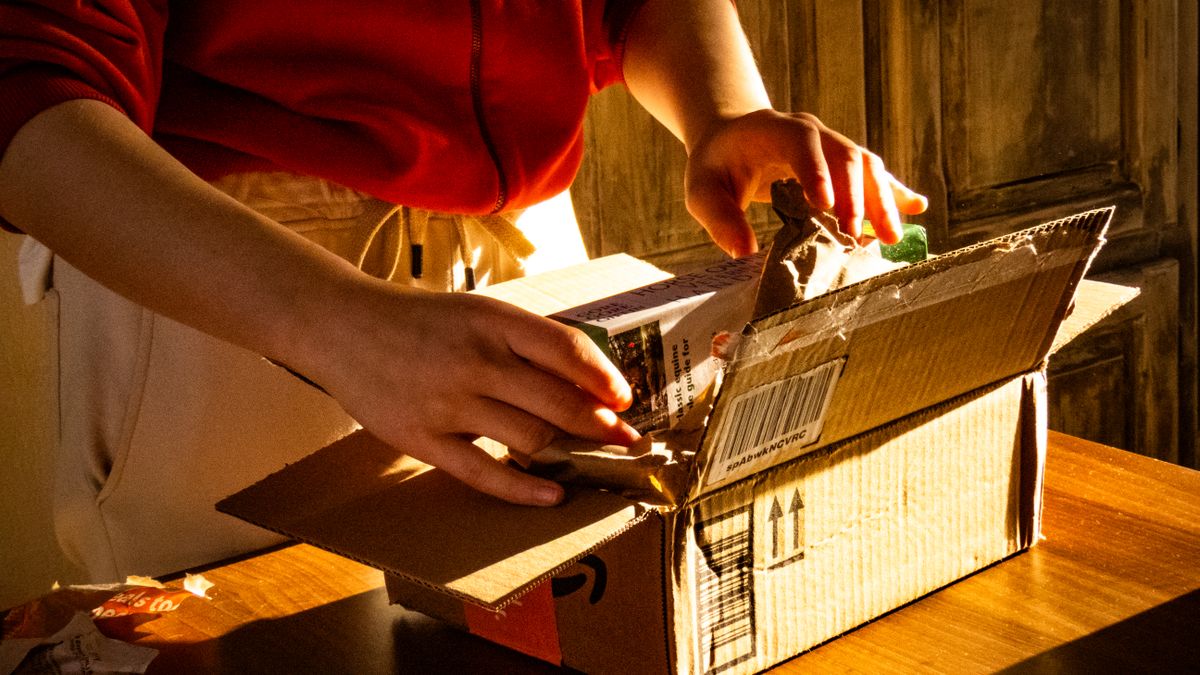
How to Create an Influencer PR Package That Gets Unboxed on Camera
Most PR packages sit on a shelf. The ones that get filmed share five specific traits — none of which require spending more money. Here is the full playbook, from what goes inside to how to ship at scale without a spreadsheet.

How to Run an Influencer Review (Seeding) Program
Product gifting is the fastest way to build a library of authentic reviews and UGC. Here is the full playbook — from recruiting creators to repurposing their content.
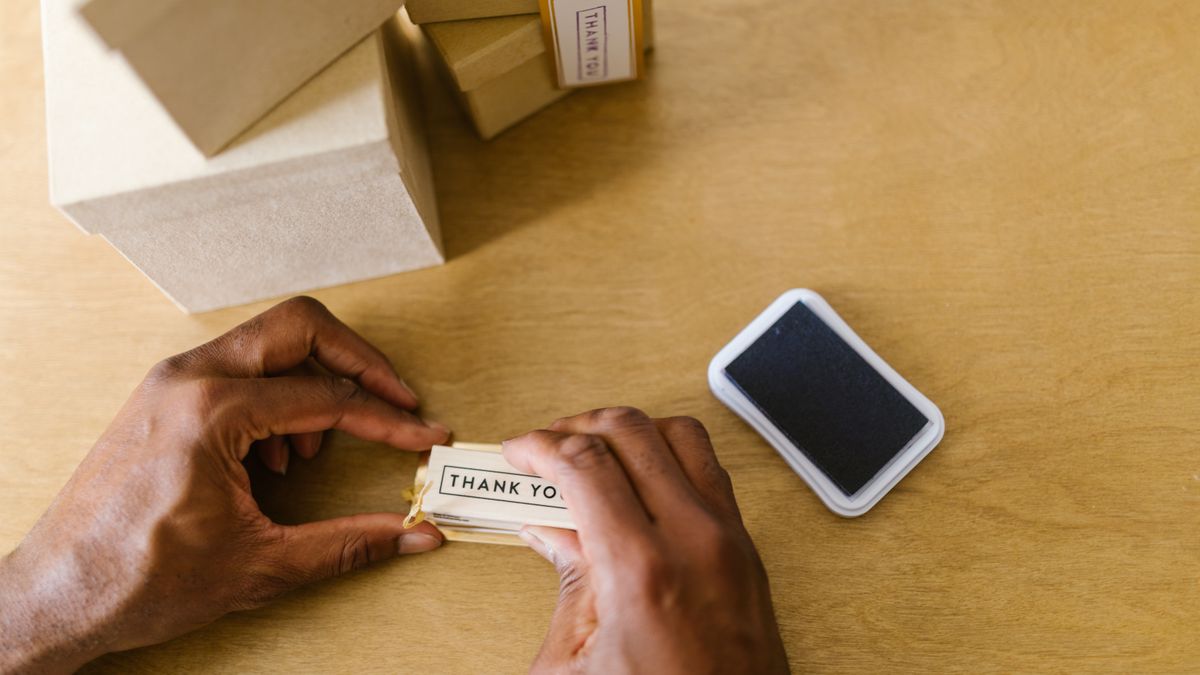
Key Opinion Leader (KOL) Marketing: A Brand Guide
KOLs are not just big influencers — they are credentialed experts whose endorsement carries professional weight. Here is how DTC brands structure KOL programs, gift product at scale, and measure what actually moves.

Connecting Influencer Gifting to Klaviyo
Your gifting workflow creates a goldmine of first-party creator data — here is how to pipe it into Klaviyo so every gifted product becomes an automated follow-up sequence.
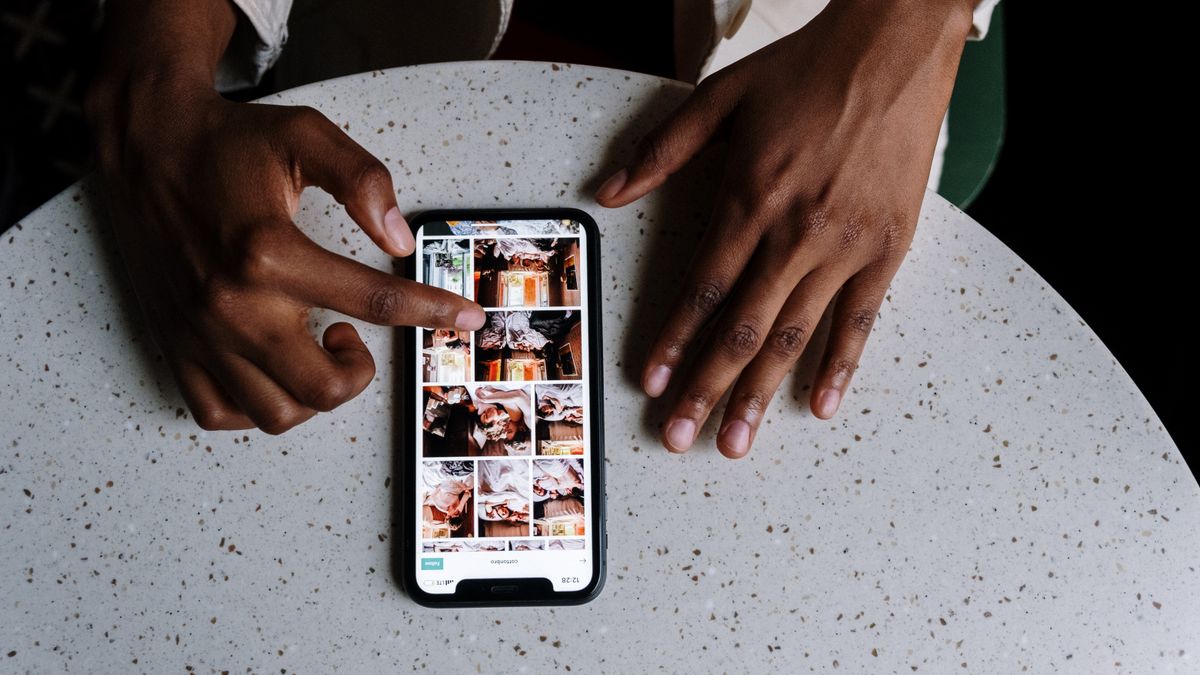
Micro-Influencer Scoring: Rank Creators Before You Gift
Not every micro-influencer deserves a free product. A simple scoring rubric helps you rank and prioritize creators before your inventory leaves the warehouse.
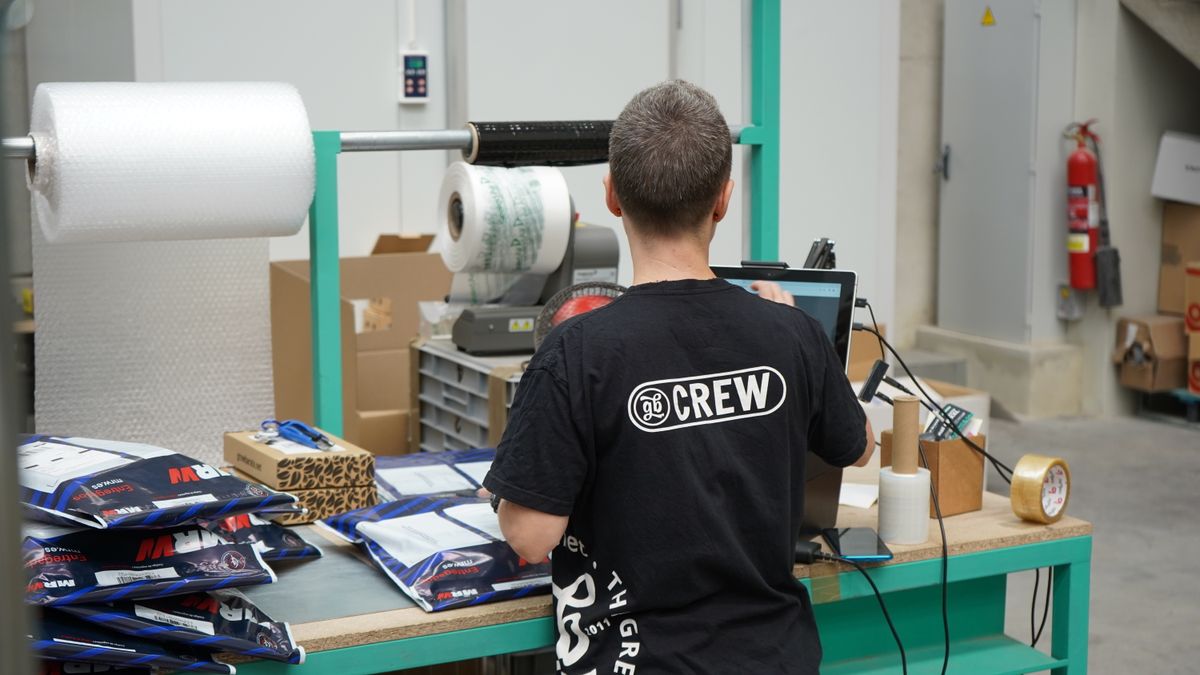
Popular Pays Alternatives for Product Seeding & UGC
Popular Pays is a content-first platform built around licensing UGC and managing creator campaigns. If your priority is sending product at scale, here are the alternatives worth considering.

Seeding Marketing: The DTC Playbook for Earned Reach
Seeding marketing is the practice of putting free product in creators' hands to earn organic content. Here's how DTC brands run it systematically — from outreach to draft orders to KPIs.

Turning Shoppable UGC Into Always-On Conversions
Gifted product creates authentic content — but the real ROI comes from deploying that shoppable UGC in the right places. Here is a practical playbook from sourcing to conversion.

Influencer Databases: Are They Worth It in 2026?
Influencer databases can speed up discovery, but their contact data goes stale fast and they tell you nothing about whether a creator actually wants your product. Here's a frank look at what you get — and what you don't.

What Is a Good CPM for Influencer Marketing?
CPM benchmarks vary wildly by platform and creator tier — but the real unlock is product gifting, which can collapse your effective CPM to a fraction of paid media rates.
What Is Influencer Gifting? The Complete 2026 Guide
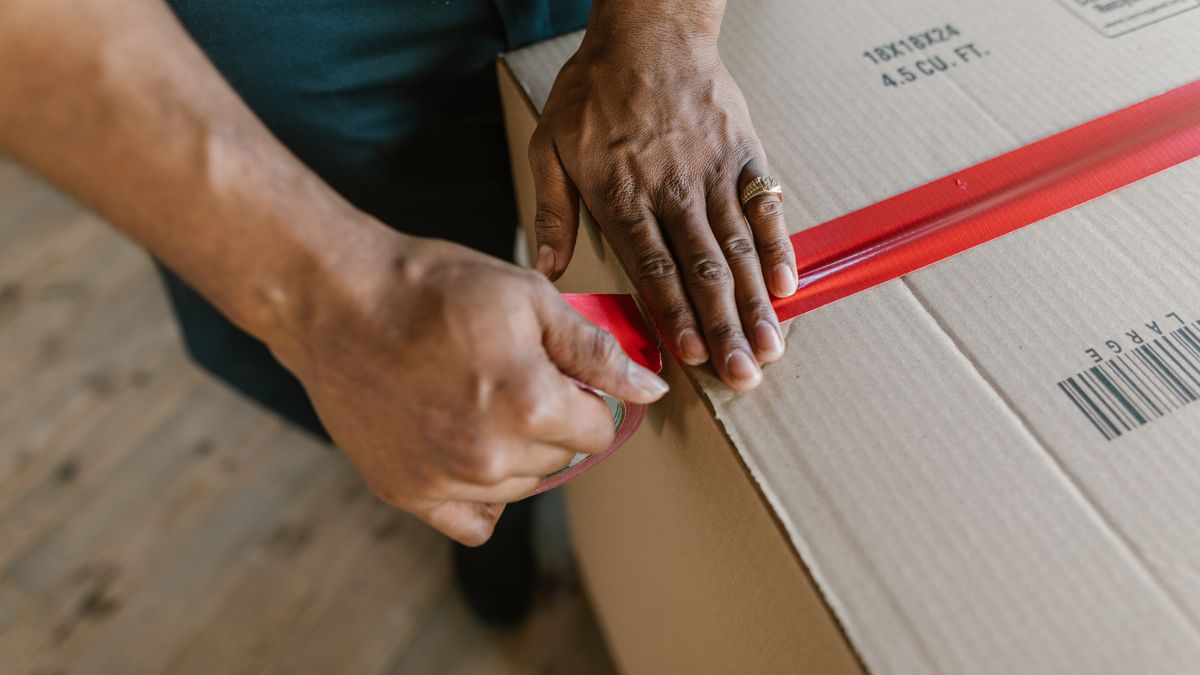
Influencer gifting is one of the most cost-efficient ways for DTC brands to generate UGC and word-of-mouth. Here is exactly how it works, what it costs, and what separates a great gifting program from one that wastes inventory.

What Is Influencer Seeding and How Does It Work?
Influencer seeding is the practice of sending free product to creators with no guaranteed post in return — and it consistently outperforms paid placements for earned UGC. Here is how the workflow actually runs.

What Is Product Seeding? A 2026 Guide for DTC Brands
Product seeding means sending free product to creators — no fees, no guarantees. Done right, it is one of the highest-ROI channels a DTC brand can run.

Why Influencer Marketing Is Important for DTC in 2026
Paid ads cost more and convert less than they did three years ago. Here is the data-backed case for influencer marketing — and where product gifting fits as the lowest-friction entry point for DTC brands.

Amazon Influencer Program and Vine vs DTC gifting
Amazon's Influencer Program and Vine both move product to creators, but Amazon owns the relationship. Here is how they stack up against DTC gifting and why smart brands run all three.

Shopify TikTok Shop Integration: How to Connect It (and What Syncs)
The Shopify TikTok Shop integration itself is the easy part. Catalog, inventory, and orders sync, and fulfillment stays where it is. The real work is the sample operation on top.

Creator platforms for product seeding: the 2026 landscape
TikTok Shop, Instagram, Shopify Collabs, Amazon, YouTube, LTK, ShopMy. Different platforms, one common denominator: every creator needs the product in hand before any of it works.

How to find creators in the Instagram Creator Marketplace
Filter by audience and engagement, not follower count. Vet for real engagement, send a brief that reads human, then sample before you pay. The practical workflow from search to shipped product.

How to send free samples to TikTok Shop affiliates
TikTok Shop affiliates ask for a sample before they make a single video. The brands that win are the ones who say yes and ship within days. Here is how to run that.

Instagram Collabs and Partnership Ads: turn gifted posts into paid reach
Collabs co-author a post across two accounts; Partnership Ads put budget behind a creator's post from their own handle. The smart move is amplifying gifted content that already performed.
Instagram Creator Marketplace: how brands actually use it
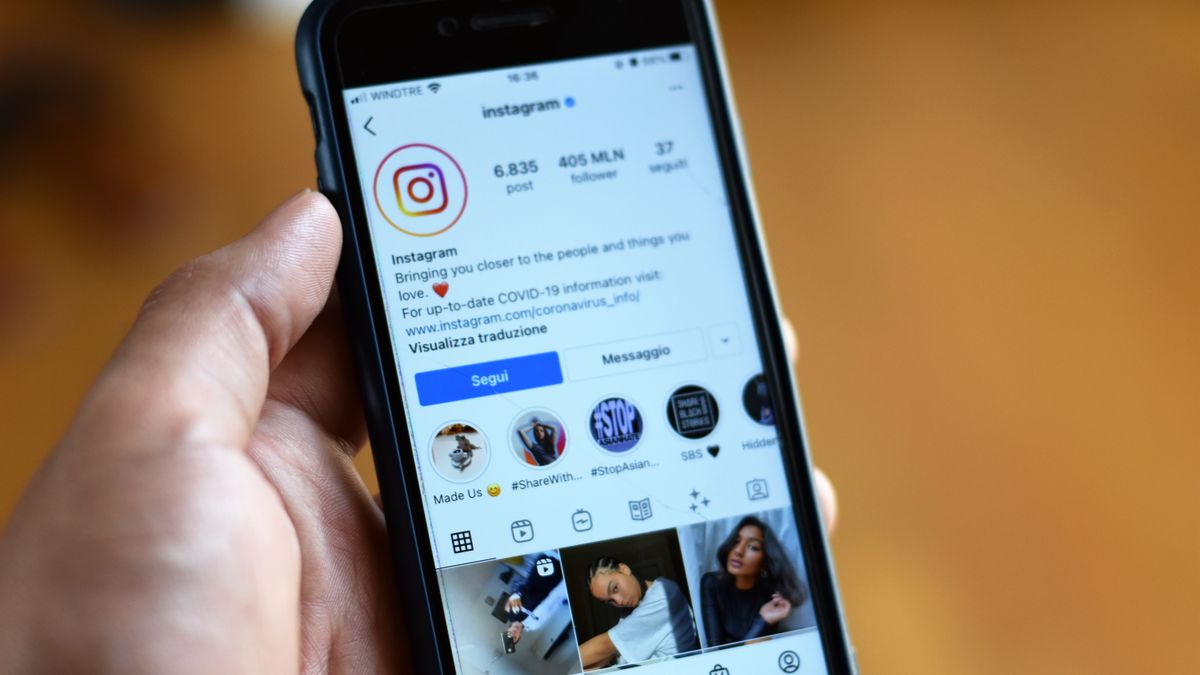
Meta's Creator Marketplace solves discovery and partnership management. It does not solve getting product into a creator's hands, which is still the part that makes or breaks the collab.

Creator Marketplace vs gifting: which one do you actually need?
The Creator Marketplace finds and briefs creators; gifting earns the organic posts. They solve different problems, and the brands that win run them in sequence rather than picking a side.

Shopify Collabs for creator gifting: how it works and where it falls short
Shopify Collabs is an affiliate marketplace with gifting bolted on. That is great for commission tracking and weak for high-volume sampling. Here is the honest comparison.

Shopify Collabs gifts feature: a step-by-step guide to what it does
A practical walkthrough of the Shopify Collabs gifts feature: how to send product, what lands in your admin, what it is great at, and where it runs out of road at volume.
Shopify Collabs vs Seed: affiliate marketplace vs gifting workflow
Collabs is an affiliate marketplace with gifting attached; Seed is a focused gifting workflow. Here is the honest head-to-head, which bottleneck each solves, and the use-both setup.
TikTok Shop affiliate program vs gifting: which to run
The TikTok Shop affiliate program and organic gifting are not rivals, they are two settings on the same dial. Here is when each wins and why most brands should run both.

TikTok Shop creator outreach: recruiting affiliates that post
Recruiting TikTok Shop affiliates is part sourcing, part a good message, and mostly fast samples. Here is how to find creators, pitch them, and convert them into posts.

TikTok Shop for Shopify brands: the complete guide
TikTok Shop turns creator content into a checkout. But every affiliate who promotes you needs a sample first, which makes it a gifting operation underneath. Here is the full picture.

Whitelisting and Spark Ads: turning gifted UGC into paid
The highest-leverage move in creator marketing: take a gifted post that already performed and put paid budget behind it. How whitelisting and Spark Ads work, and the rights to lock down.

YouTube product seeding for Shopify brands
YouTube seeding converts slower than a viral Reel but compounds for years. Why long-form reviews are underrated, how to pick creators, and the sample workflow behind it.

Why creator volume drives GMV (and how to run gifting at scale)
You cannot pick the winning creator in advance, so you stop picking and start sending. The math and the operations behind running gifting at real volume.

FTC disclosure rules for gifted products: what brands need to know
Free product can trigger an FTC disclosure even with no payment and no required post. Here is when #ad is needed, who is on the hook, and how to brief creators.

How to send free products to TikTok creators
TikTok rewards volume and velocity more than any other platform. Here is how to gift creators there, from finding them to landing the order in Shopify.

How much does influencer gifting cost? A real budget breakdown
Influencer gifting looks free because the product is. It is not. Here is the real per-box and per-month math, and the cost line most brands forget.

Product seeding strategy: a playbook for DTC brands
Product seeding is sending free product to creators with no contract and no guaranteed post. Here is how to run it as a real channel, not a one-off favor.

How to send free products to influencers on Shopify
The actual mechanics of seeding free products to creators on Shopify, where the DM-and-spreadsheet method falls apart, and three ways to fix it.

Influencer gifting vs paid sponsorships: when each one actually works
Gifting wins for awareness at scale. Paid wins for measurable conversion. Most brands need both, in a specific order.

How to find creators to gift products to (without an agency)
Practical ways for small Shopify brands to find creators who will actually post about gifted products, without paying an agency or directory.

The creator gifting workflow: from first DM to published post
A repeatable creator gifting process for Shopify brands setting up seeding for the first time, from the opening DM through the post and beyond.

Influencer outreach DMs that get replies (with templates)
Five outreach DMs that get replies, the mistakes that kill reply rates, and how to write messages that do not sound mass-blasted.

Measuring ROI on product seeding (without lying to yourself)
An honest framework for measuring influencer gifting ROI: true cost per send, what attribution can prove, what it can't, and a scorecard that works.

Building a creator CRM in Shopify (without buying another tool, until you need to)
How to track 20 to 200 creators using Shopify tags, metafields, and notes before you outgrow the spreadsheet and need a real CRM.

How to avoid getting scammed when gifting to creators
Gifting fraud is rarely clever. It is the same five patterns over and over, and a 90-second checklist removes most of the risk.