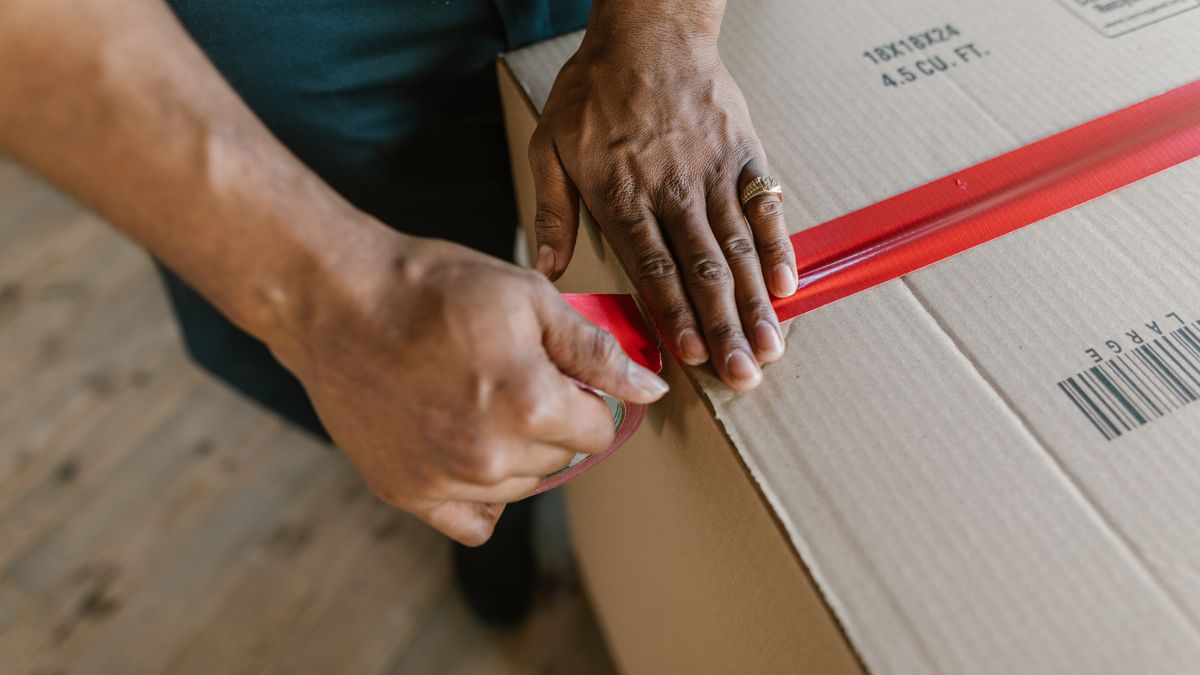
Influencer gifting is the practice of sending free product to content creators — no cash, no contract, no guaranteed deliverable — in exchange for the chance that they post about it organically. It is one of the oldest forms of PR and one of the most efficient performance channels available to DTC brands in 2026, when done with the right infrastructure behind it.
This guide covers what influencer gifting actually is, how it differs from paid partnerships and affiliate programs, what a modern gifting workflow looks like end-to-end, and what separates programs that generate real revenue from ones that bleed inventory with nothing to show for it.
The core mechanics of influencer gifting
At its simplest, gifting works like this: a brand sends a product to a creator, the creator uses it, and if they like it they post about it. No invoice, no brief, no revision rounds.
That simplicity is the appeal. You are not buying a post — you are buying the opportunity for an honest recommendation. For brands with genuinely good products, gifting is the fastest way to get real social proof from real people at a cost that is basically COGS plus shipping.
The practical workflow for most brands in 2026 looks like this:
- Identify creators. Nano creators (1K-10K followers) have the highest post rates — often 50-70% — and the most engaged audiences per follower. Micro creators (10K-100K) offer a balance of reach and authenticity. Most brands start with nano and layer in micro as they learn which SKUs generate content.
- Reach out. A short DM or email explaining what you make, why you thought of them, and a link to claim a free product. The goal is to make it frictionless. Templated but personalized — reference something specific about their content. See influencer outreach DM templates for examples that convert.
- Collect the address. This is where most manual gifting programs break down. Chasing addresses over DM or email threads is slow, error-prone, and does not scale past 20-30 sends per week. Modern gifting tools give each creator a link where they pick their product and variant and enter their own address — no back-and-forth required.
- Fulfill the order. The cleanest way to do this inside Shopify is a $0 draft order tagged with the campaign, creator handle, and product. This keeps your inventory accurate, your fulfillment workflow the same as paid orders, and your records clean for ROI tracking.
- Follow up and track. A light check-in 7-10 days after estimated delivery. Track posts in a creator CRM. Repurpose the best content as whitelisted ads or on your PDPs.
Gifting vs. paid sponsorships vs. affiliate programs
These three are often lumped together but they are fundamentally different arrangements. Understanding the distinction matters because each one optimizes for a different goal.
Influencer gifting is non-contractual. You send product, the creator owes you nothing. The upside is authenticity and cost-efficiency — especially at volume. The downside is that you cannot control whether, when, or how a creator posts. For a comparison of when each approach makes sense, see influencer gifting vs. paid sponsorships.
Paid sponsorships are contracts. You pay a fee (or a combination of product plus fee) for specific deliverables: a Reel, a TikTok, a YouTube integration, by a specific date, with specific messaging. You get creative control and guaranteed delivery. The cost per post is 10-50x higher than gifting, which limits how many creators you can activate. Paid works best for tentpole campaigns with specific messaging requirements.
Affiliate programs are performance-based. Creators get a commission on sales they drive, tracked via a unique link or code. There is no upfront cost per creator beyond the commission itself. Affiliate is excellent for creators who have already posted organically and want to monetize their audience. It is a poor cold-outreach mechanism — creators with no experience of your product have no reason to promote it. See how TikTok Shop affiliate compares to gifting for a practical breakdown.
Most mature DTC brands run all three in parallel: gifting to seed new creators and generate organic UGC, affiliates to monetize creators who are already fans, and paid for campaigns that need guaranteed placement.
What makes a gifting program actually work
Gifting is not magic. Sending 50 packages and expecting 50 posts does not work. Here is what separates programs that generate consistent content and revenue from ones that quietly waste product budget.
- Creator-product fit is everything. A skincare brand gifting to a gaming creator will get very few posts. The best gifting programs are obsessively specific: this product for this audience vertical, sourced from creators who already post about the category. Match the product to the creator's existing content, not just their follower count.
- Post rate tracks creator size. Nano creators (under 10K) typically post 50-70% of the time when they like a product. Mega influencers (1M+) post less than 10% of the time for gifted product — they are pitched constantly. If your gifting program is skewed toward large accounts, your economics are terrible. Start small and earn your way up to larger accounts with paid.
- Volume matters more than individual sends. The ROI from gifting is a distribution, not a guarantee. Gift 200 creators and 100-140 will post. Gift 10 and you might get 3. The programs with the best economics are running 50-200 sends per month consistently. Creator volume drives GMV — the math works at scale.
- Address collection must be automated. Any process that requires manual address collection over DM or email will hit a ceiling around 20-30 sends per week. The manual overhead becomes the constraint, not the marketing budget. Tools that let creators self-serve — picking their product and entering their own address — remove that ceiling entirely.
- Caps and fraud controls protect your inventory. An unguarded gifting link will be shared. One leaked URL can drain hundreds of units. Per-campaign caps, per-address limits, and address validation are not optional hygiene — they are table stakes. For a full breakdown, see avoiding influencer gifting fraud.
The Shopify gifting workflow, end to end
For Shopify brands, the cleanest gifting workflow creates a real $0 draft order for each redemption — not a manual coupon code, not a spreadsheet entry, not a Shopify order with a 100% discount code floating around. A draft order gives you accurate inventory, a real fulfillment trigger, and a tagged record you can query for campaign ROI.
The flow looks like this: brand creates a campaign in their gifting tool, sets the allowed products and variant options, sets a per-campaign unit cap, and gets a shareable link. That link goes out in DMs or emails. The creator clicks it, picks their color/size, enters their address, and submits. A draft order appears in Shopify admin tagged with the campaign and creator handle. The brand's 3PL or in-house team fulfills it exactly like any other order.
For a detailed walkthrough of this workflow, see how to send free products to influencers on Shopify.
Seed is built specifically for this workflow. One branded link per campaign, self-serve address collection, per-campaign and per-creator caps, fraud checks, and clean tagged draft orders in your Shopify admin. No affiliate payouts, no discovery database to pay for — just the gifting execution layer.
What to do with gifted content after it lands
Gifted posts are organic by default, which means lower reach than paid placements but higher trust. You can extend the value of gifted content in several ways:
- Whitelist the post as a Spark Ad (TikTok) or Partnership Ad (Instagram). The creator keeps their handle on the post; you put paid budget behind it. This turns a gifted post into a high-performing ad with authentic creative. See whitelisting Spark Ads for gifted UGC for how to request access.
- Repost with permission to your brand account. Always ask explicitly. Most creators with under 50K followers say yes — it extends their reach and yours.
- Use on product pages. Shoppable UGC on PDPs consistently outperforms brand-shot imagery for conversion. Gifting is the cheapest way to fill that pipeline.
- Seed affiliate links after the post. If a creator's gifted post performs well, that is the right moment to invite them into an affiliate or ambassador program. They already have proof the product resonates with their audience.
How much does influencer gifting cost?
Your all-in cost per send is COGS plus shipping. For a $40 retail product with a 50% margin, your COGS might be $12-$16. Add $5-$8 for standard domestic shipping and you are at roughly $17-$24 per send.
If you gift 100 creators and 60 post, your cost per post is roughly $28-$40. Compare that to paid UGC at $150-$500 per piece, or paid sponsorships at $500-$5000 per post for micro creators. Gifting at scale is typically 5-15x more cost-efficient per post than any paid alternative.
The economics get even better when you factor in that gifted content performs better in paid amplification than studio-shot creative — so you are not just getting cheaper posts, you are getting better-performing ad creative. For the full cost model, see how much does influencer gifting cost.
FTC disclosure: what brands need to know
Under FTC guidelines (updated in 2023) and equivalent rules in the UK, Australia, and Canada, creators must disclose any material connection to a brand — including free product. This means posts about gifted items need a clear disclosure: #gifted, #ad, or a plain-language "Brand gifted me this" is sufficient. The disclosure has to be prominent — not buried in a wall of hashtags or below the fold on a caption.
As the brand, you are not typically liable for a creator's failure to disclose, but you can be found liable if you encouraged them to hide the gifting relationship. Standard practice: include a one-liner in your outreach noting that any posts should be disclosed per FTC guidelines. That protects you and sets the right expectation. For a full breakdown, see FTC disclosure rules for gifted products.
When gifting is not the right tool
Gifting works when you have a product that speaks for itself on camera, creators who already talk about your category, and enough volume to absorb the natural variance in post rates. It works less well when:
- You need guaranteed placement for a launch window. If you have a 48-hour campaign and need posts on specific dates, pay for them. Gifting does not give you that control.
- Your product requires complex setup or explanation. An easy-to-unbox beauty or apparel item is naturally giftable. A B2B SaaS product or a piece of exercise equipment that requires assembly is harder to gift at scale.
- Your margins cannot absorb the COGS. If you are selling $12 products at 15% margin, the math does not work for gifting. The minimum viable gifting economics usually require a retail price above $25 and margins above 40%.
Getting started
The fastest path to a working gifting program for most Shopify brands: pick one product, identify 30-50 nano creators in your niche using Instagram's creator marketplace or TikTok search, send a short personalized DM with a gifting link, and track results over 3-4 weeks. Use a single branded link with a 50-unit cap so you can test without over-committing inventory.
For a step-by-step breakdown of finding creators to gift to, see how to find creators to gift products to. For the full workflow from first DM to shipped product, see creator gifting workflow: pitch to post.
If you want to skip the spreadsheet chaos and run your gifting through Shopify natively — one branded link, self-serve address collection, automatic draft orders, per-campaign caps — start a free gifting campaign with Seed.
Frequently asked questions
What is influencer gifting?
Influencer gifting is the practice of sending free products to content creators in exchange for organic content — unboxings, reviews, try-on hauls, or everyday posts. Unlike paid sponsorships, gifting does not guarantee a deliverable: creators keep the product regardless of whether they post. That said, well-targeted gifting programs typically see 40-70% post rates among nano and micro creators.
Is influencer gifting the same as product seeding?
The terms are used interchangeably in most DTC circles. "Product seeding" leans more heavily on the idea of planting your product across many creators to generate organic buzz at scale. "Influencer gifting" sometimes implies a more personal, relationship-driven send. In practice the workflow is identical: you send product, the creator may post, you track results.
Do creators have to disclose gifted products?
Yes. Under FTC guidelines and equivalent rules in most English-speaking markets, any material connection — including free product — must be disclosed. Creators should use #gifted, #ad, or "gifted by [brand]" in the post itself, not buried in a caption. As a brand you are not liable for a creator's non-disclosure, but you can be if you encouraged them to hide it.
How much does influencer gifting cost?
The cost is your COGS per unit plus shipping. A typical gifting send for a beauty brand runs $8-$25 landed cost per unit. At scale, the cost-per-post often beats paid UGC by a wide margin — especially with nano creators who have post rates above 60%. See our full breakdown at the influencer gifting cost guide.
What is the difference between gifting and a paid sponsorship?
A paid sponsorship is a contract: the creator is paid (cash or a flat fee) to produce specific content by a specific deadline. Gifting is non-contractual — you send the product, the creator is under no obligation to post. Gifting is cheaper and scales further; paid sponsorships give you creative control and guaranteed delivery. Most mature brands do both.
How do I stop my gifting link from leaking and draining inventory?
Use per-campaign inventory caps so a link can never fulfill more than N units regardless of traffic. Set per-creator limits (one redemption per address or email). Run address validation to catch duplicate shipping addresses. Rotate or expire links after a campaign window closes. Seed applies all of these controls automatically.