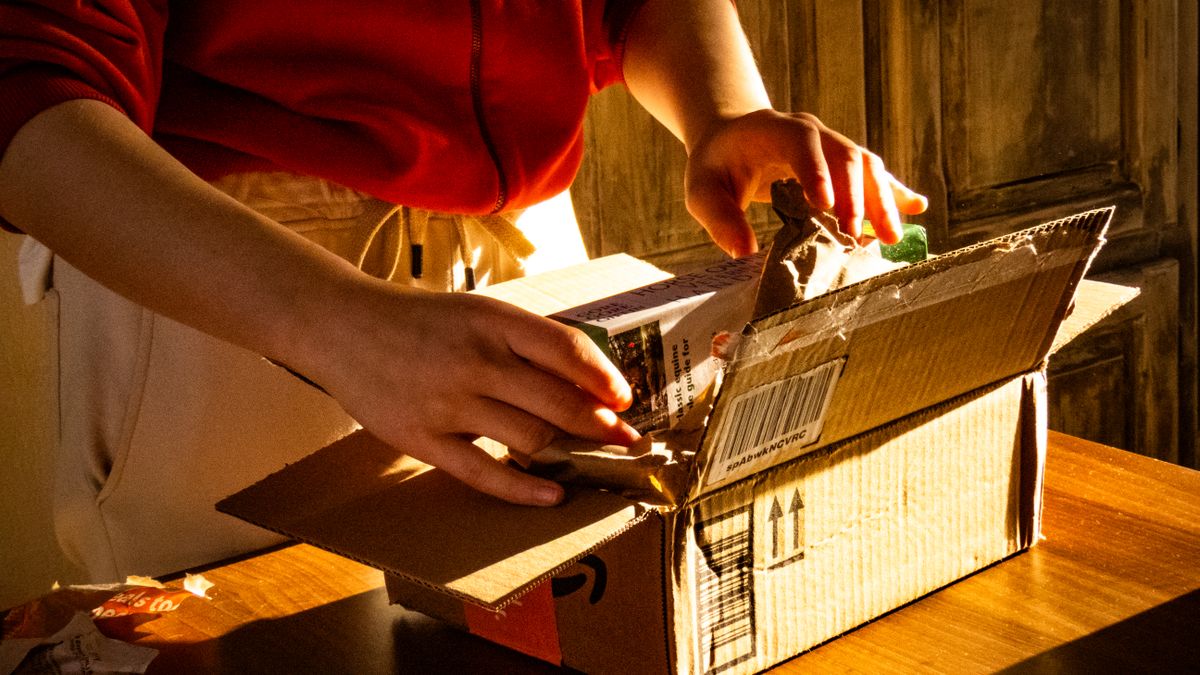
I built Seed after running gifting campaigns for my own Shopify store and watching perfectly good PR packages go unposted. The problem was almost never the product. It was the experience around the product — a wrong size, a generic note, a box that looked like it came from a warehouse rather than a brand that cared. This guide is the playbook I wish I had: what actually goes into a PR package that gets unboxed on camera, how to personalize without going insane, and the logistics setup that makes 50 or 500 sends survivable.
What a PR package is (and is not)
An influencer PR package is a physical send of your product to a creator with the intent of earning organic content — an unboxing, a review, a Story mention. It is not a paid placement. There is no contract requiring a post, no guaranteed deliverable. You are pitching an experience and hoping it is good enough to share.
This distinction matters for two reasons. First, it shapes how you design the package: you are not buying a deliverable, you are creating a moment. Second, it shapes compliance — gifted product must be disclosed under FTC rules even without payment. The FTC disclosure rules for gifted products are not optional, and a non-disclosed gifted post creates real brand liability. Make sure creators know this before they post.
If you want to move beyond one-off gifting into a structured ambassador program, read the companion post on building an ambassador program from your gifting pipeline. A strong PR package is often the first touchpoint in that longer relationship.
The five traits of a PR package that gets filmed
Watch enough unboxing content and a pattern emerges. The packages that make creators pause and keep the camera rolling are almost never the most expensive. They share five specific traits:
- A note with the creator's actual name and one specific reference. Not "Dear Influencer" — their name, and one sentence that shows you looked at their content. "I saw your morning routine Reel and thought this would slot in after your vitamin C step." Forty seconds of research, outsized impact. This is the single highest-leverage thing you can do.
- The hero product on top, facing up. Creators open boxes in real time on camera. The first thing they see sets the tone. Do not bury the product in tissue paper. Put it front and center, facing up, clearly visible the moment the box opens.
- A clean brand card with a quotable value prop. Two to four sentences on what the product does, one differentiator, a URL or QR code. Creators read these on camera — make every sentence worth saying aloud. Cut your company founding story. Nobody is filming that.
- Packaging that photographs well in a single shot. One hero color palette across tissue, card stock, and filler. Matte surfaces over glossy. A box that looks deliberate even before the product is visible. You do not need custom packaging for every send — a kraft mailer with a branded sticker and matching tissue can look excellent.
- A personalized audience offer (optional but high-converting). A discount code specific to that creator — SARAH15, not INFLUENCER15 — gives them something concrete to include in their caption and lets you track conversion from that exact send. It also signals that you see them as an individual, not a slot on a list.
Box design checklist
Before you pack a single box, run through this. Each item is something I have seen sink an otherwise good package:
- One interior color palette. Tissue, card stock, and filler should share a palette. Three unrelated colors look chaotic on camera and signal that no one made a deliberate choice.
- Weight that reads as premium before the box opens. A box that feels substantial when lifted sets expectations immediately. Heavier tissue, a product with some heft, thick card stock. Do not ship a lightweight product in a box that rattles.
- Fragrance if your category permits it. A subtle scent — dried flowers, a small sachet, branded tissue spray — creates a sensory moment that creators mention aloud on camera. It is the kind of detail people call "obsessed with." Underused by most brands.
- Filler that photographs, not filler that protects. Shredded kraft and crinkle paper work. Styrofoam peanuts and bubble wrap do not photograph well and signal you prioritized shipping over experience. If you need protection, layer it under the aesthetic layer.
- No rattling. Pack so that the product does not move inside the box. A product that shifts around during shipping signals low quality before the box is even open.
Custom mailer boxes from a printer like Packlane or Arka run $3–8 per unit at 100–500 unit quantities. If you are just starting, a kraft box with a branded sticker and consistent tissue costs under $2 additional and looks intentional if the interior is deliberate.
Personalization that scales to 50+ sends
The word "personalization" sounds expensive. It does not have to be. The goal is not to customize every physical element — it is to make the creator feel like the send was intentional rather than blasted.
The highest-leverage personalization is variant selection. Instead of guessing which shade, size, or flavor a creator wants, let them choose. A gifting link — a branded URL where the creator picks their variant and enters their own address — eliminates the most common source of bad gifting experiences: wrong sizes and wrong shades that never get worn or used on camera.
Seed is built around this model. You create one campaign link, set which products and variants are available, and share it. The creator self-selects, and a clean $0 draft order lands in your Shopify admin tagged to that campaign. No spreadsheet with 200 rows of "size: M, color: navy, address: please confirm." If you are still doing address collection over DM, read the guide on how to send free products to influencers on Shopify — it will save you hours per campaign.
The written personalization — the note — can be templated with a few merge fields: creator name, one specific reference pulled from their recent posts, the variant they selected. A virtual assistant or part-time team member can fill in the specific reference for $2–5 per send once you have the template. The perceived effort is high; the actual effort is not.
Which creators to send to — and the economics of micro vs. large
The economics of PR packages strongly favor micro-influencers. An account with 15k–80k followers in your product category will typically have 3–8% engagement rates versus 0.5–2% for accounts over 500k. Their audiences trust their recommendations more directly, and they are genuinely excited to receive product, which translates into more enthusiastic content.
A reasonable starting cadence for a DTC brand with a $2,000/month gifting budget: 20–40 micro sends at $50–80 all-in per package, rather than 4–5 large sends. Cast wider, track what converts, double down on the profiles that drive traffic and sales. For finding those profiles in the first place, the guide on finding micro-influencers covers filtering by engagement rate, category fit, and audience authenticity.
Shipping at scale: the exact workflow that holds up at 100+ sends
Sending 10 PR packages is a weekend project. Sending 100 is a logistics operation. Here is the workflow that actually holds up:
- Outreach. DM with a specific reference to their content and a no-strings pitch. Keep it under four sentences. See proven outreach DM templates for copy-paste versions.
- Share a campaign gifting link. Once the creator expresses interest, send the link. They click, pick their variant, enter their address, submit. A $0 draft order hits your Shopify admin automatically, tagged with the campaign name. No DM back-and-forth about shipping details.
- Set inventory caps before sharing the link. Hard limits per campaign, per SKU, per creator prevent a leaked link from draining your inventory. This is not optional — if a gifting link gets shared publicly, an uncapped campaign can go to zero on a key SKU in hours. See the full breakdown on stopping inventory drain from a leaked gifting link.
- Batch the personalized notes weekly. Print note templates, fill in names and the specific reference, sign or stamp. Do this in one sitting once a week rather than one by one as orders come in.
- Let your 3PL handle the rest. Because the gifting workflow creates real Shopify draft orders, your 3PL's existing Shopify integration handles fulfillment automatically. No separate export. The note insert goes into the box if you have a fulfillment partner set up for inserts, or you pack them in-house weekly before dropping at your 3PL.
The step that breaks most programs at scale is address collection. DM threads get buried. Creators forget to respond. You end up with 60 confirmed addresses out of 80 reaches, manually copying each into a spreadsheet before uploading to your 3PL. A self-serve gifting link eliminates this entirely.
Fraud and waste: the two things that will tank your program
Every gifting program eventually runs into fake accounts and repeat submissions. Someone finds your link, creates three different Instagram handles, and claims three packages. Or a creator submits an address, never posts, and requests a resend.
Basic safeguards: require a minimum follower count or engagement rate before approving a send. Check that the profile has real posts and non-bot follower counts. Set per-campaign caps so one person cannot claim more than one unit. The guide on avoiding influencer gifting fraud covers the specific signals to screen for before a package ships.
Waste is subtler. A package that ships to a creator who never posts is not a fraud problem — it is a targeting problem. Track post rates by creator tier and content category. If fitness creators in a specific follower band are posting at 70% and beauty creators are posting at 30%, shift your mix. The data lives in your order tags and a simple spreadsheet of who posted versus who did not.
The gifting-to-ambassador pipeline
A PR package is usually the first touchpoint in a longer creator relationship. The best outcomes come from treating it as the start of a sequence: gift, follow their content, engage genuinely, and offer a more formal arrangement to creators who post and whose content performs. A commission link, early product access, or a small retainer signals that you see them as more than a one-time send.
If you want to build that sequence into a real ambassador program — with tiers, graduation criteria, and posting agreements — read how DTC brands turn gifting into long-term ambassador programs. That post covers the full pipeline from gifting cohort to signed ambassador. When you are ready to put something in writing, the free influencer contract generator handles ambassador agreements in minutes — or read the influencer agreement contract guide for what every clause should cover.
Tools you actually need (and ones you do not)
You do not need a $1,000/month influencer platform to run a gifting program. Most of the large platforms — Grin, Aspire, Upfluence — are built for agencies managing dozens of brand relationships. For a single DTC brand running its own gifting, the overhead is hard to justify against a program that might run $2,000–5,000/month in product and shipping.
What you actually need: outreach (DM or email), a gifting link tool that creates real Shopify draft orders, and a simple spreadsheet or Notion board to track who posted. That is it at the start. Check the free tools for influencer gifting for what Seed provides without a monthly platform fee.
Seed is purpose-built for the execution layer: one branded link per campaign, self-serve variant selection and address collection, real $0 Shopify draft orders, per-campaign and per-SKU caps. It does not try to be a discovery database or a CRM. It handles the logistics part, and it starts free.
Frequently asked questions
What should be included in an influencer PR package?
At minimum: the hero product, a short note with the creator's actual name and one sentence that references something specific about them, a clean brand card with a clear value prop and a URL or QR code, and tissue or filler that photographs well. Optional but high-converting: a personalized discount code for their audience and a small secondary product. Cut the company history insert.
How much does it cost to send a PR package to an influencer?
Product plus packaging typically runs $15–80 for most DTC brands. Add $8–20 domestic shipping and you are at $25–100 all in. Micro-influencer packages skew toward the lower end; premium unboxing-focused sends for larger accounts go higher. The biggest cost lever is product COGS, not the box.
Do I need to collect influencer addresses before sending a PR package?
Collecting addresses manually over DM is error-prone and slow. A gifting link lets creators self-serve their address, pick a variant, and submit directly — the draft order lands in Shopify automatically. This is the step that breaks most programs at 50+ sends per month when it is not automated.
How do I make my PR package stand out?
Personalization beats production value. A note that references the creator's last post does more than an expensive custom box. Relevance — sending a product that actually fits their content category — is the single biggest driver of whether a package gets filmed. The creator should feel like you found them, not like you blasted a list.
How do I prevent my gifting link from leaking and draining inventory?
Set per-campaign and per-SKU caps before sharing any link. A gifting tool like Seed lets you limit total orders, restrict to specific variants, and deactivate the link the moment a campaign ends. This is covered in depth in the guide on stopping inventory drain from leaked gifting links.
Should I send PR packages to micro-influencers or only large accounts?
Micro-influencers (10k–100k followers) routinely outperform larger accounts on engagement rate and purchase conversion. Their audiences trust them more directly, and they are more excited to receive product — which translates into more enthusiastic content. The math on cost-per-engaged-view typically works out 3–5x better than a single large send.